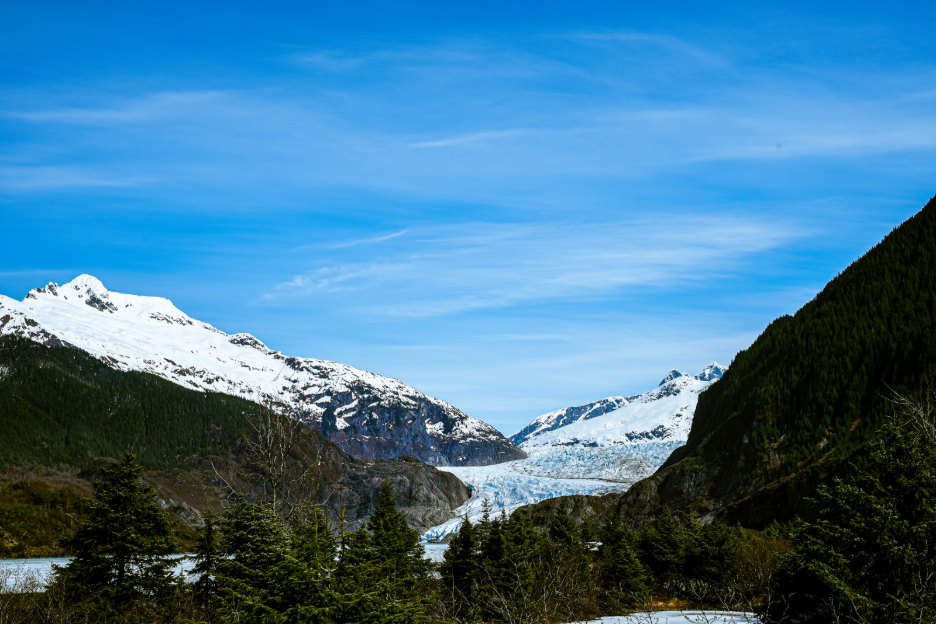


When people talk about affordable housing in America, the conversation usually sounds familiar: rising rents, limited inventory, labor shortages and growing demand.
In Alaska, the challenges are all of those things and then some.
During a recent visit to Juneau with leaders from Haa Yakaawu Financial Corporation and Tlingit Haida Regional Housing Authority, NeighborWorks America President & CEO Marietta Rodriguez saw firsthand why housing development in Alaska operates under an entirely different set of realities than most of the lower 48.
In many communities across the state, building housing is not simply expensive. It is logistically difficult, environmentally complex and financially misaligned from the start.
And yet, organizations across Alaska continue finding ways to move projects forward anyway.
In Alaska, getting materials to a site is part of the housing challenge
In many parts of the country, construction delays might mean traffic, permitting issues or contractor scheduling.
In Alaska, many communities are not connected by roads. Building materials, heavy equipment and essential supplies often must travel by barge or ferry, operating on limited schedules and vulnerable to weather disruptions.
That reality changes everything about development timelines and cost structures.
“People hear about construction costs in Alaska and assume it is just inflation,” Jacqueline Pata said during the visit. “But this is about access, transportation and geography fundamentally changing how housing gets built.”
Every delay matters. Miss a shipment window and a project timeline can shift significantly. Add in extreme weather conditions, shorter construction seasons and rising transportation costs, and the financial pressure compounds quickly.
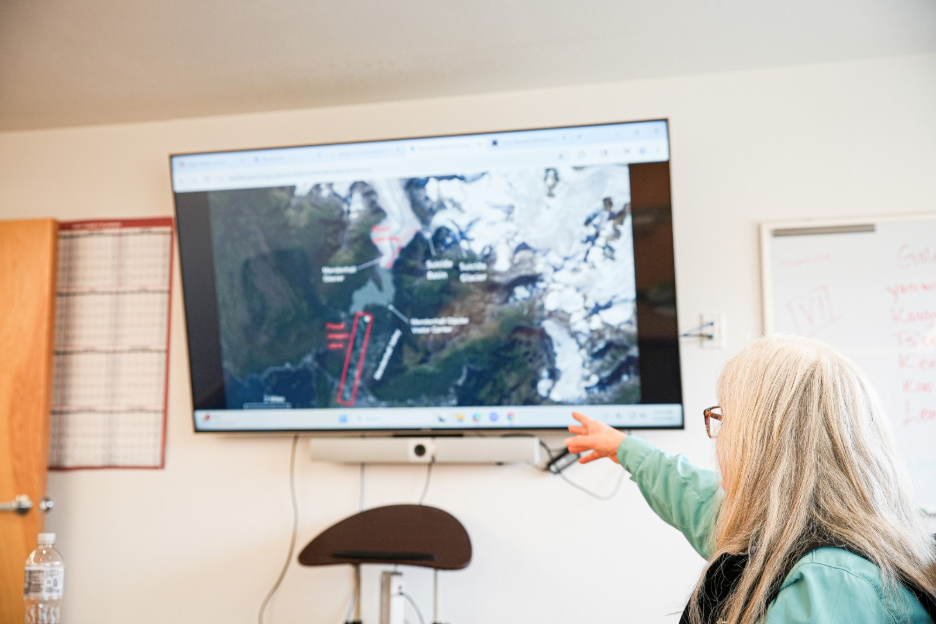
The cost to build often exceeds what a home is worth
One of the biggest barriers discussed during the Juneau visit was the growing gap between construction costs and appraised property values.
In simple terms, it can cost significantly more to build a home than the market will ultimately value it at once completed.
That gap creates major financing challenges for developers and organizations trying to expand housing supply.
“You can do everything right and still face an appraisal gap that makes financing difficult,” said Pata. “That is one of the biggest realities housing organizations in Alaska are navigating every day.”
For affordable housing developers, the issue becomes even more complicated because projects are intentionally designed to remain affordable for residents, limiting the ability to offset rising construction costs through higher prices or rents.
In many rural or remote communities, comparable sales data also may not exist at the scale lenders or appraisers typically rely on, making valuation even more difficult. The result is a housing market where traditional financing models often do not fully reflect the true cost or complexity of development.
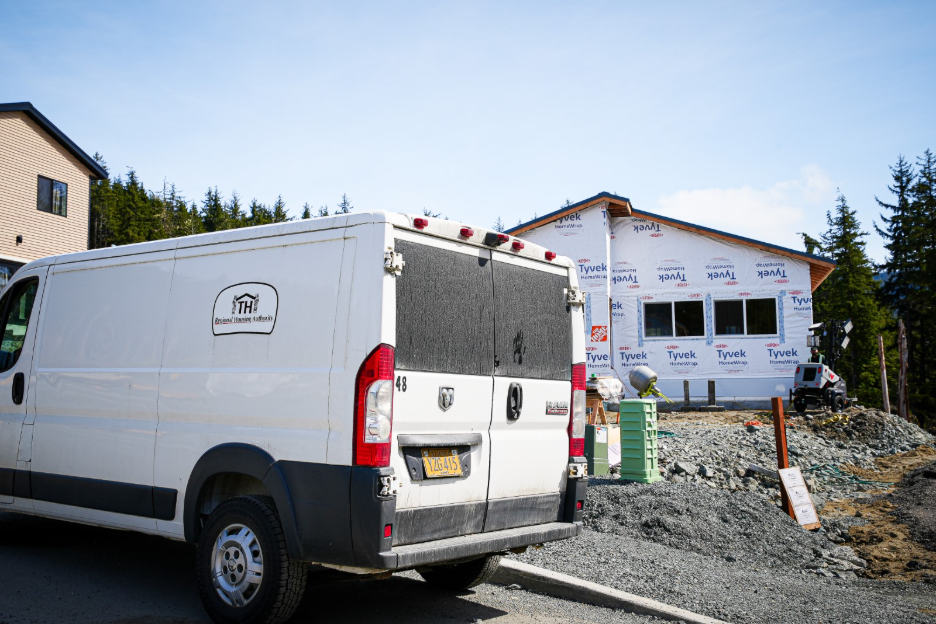
Seasons are changing; solutions should change, too
During the visit, leaders toured areas near the Mendenhall Glacier where flooding and shifting environmental conditions are already affecting nearby neighborhoods and infrastructure.
The conversations reinforced another major reality for Alaska housing developers: long-term durability and hazard preparedness can no longer be treated as future considerations.
They have to be built into projects now.
That includes planning for flooding, erosion, unstable ground conditions and infrastructure stress tied to rapidly changing natural environments already impacting communities.
“In Alaska, housing conversations are inseparable from conversations about long-term sustainability and preparedness,” Rodriguez said. “Communities are planning not just for what housing needs look like today, but for what they may look like years from now.”
Those realities further increase development costs while also raising the stakes for getting projects right.
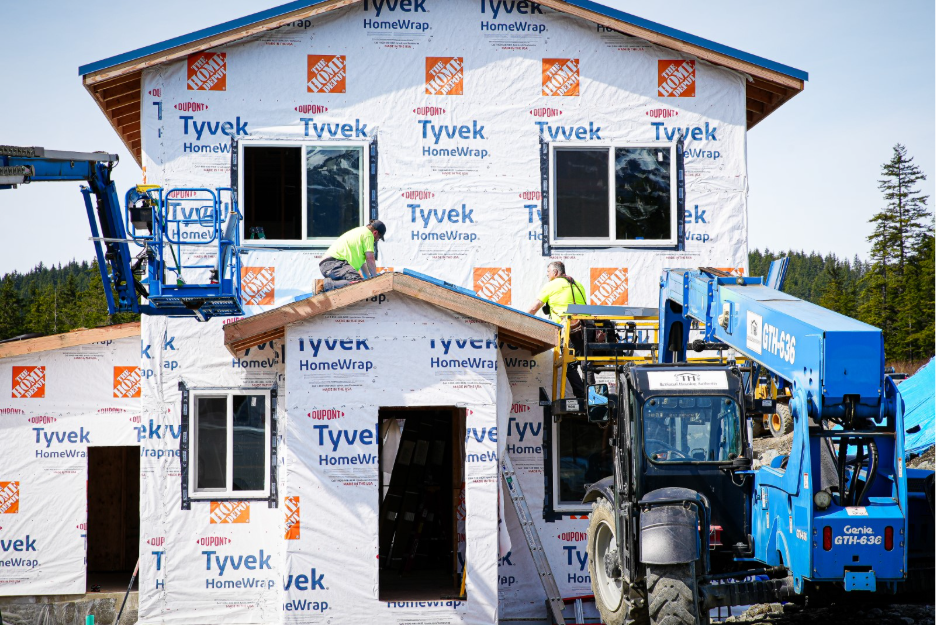
Housing solutions require different tools in different places
The Juneau visit underscored something housing leaders across the country increasingly understand: National housing challenges do not always require identical solutions.
What works in a major metropolitan market may not work in a remote coastal community accessible only by ferry.
And yet many federal funding structures, financing tools and appraisal systems are still designed around more traditional development assumptions.
That is why organizations like Haa Yakaawu Financial Corporation and https://www.regionalhousingauthority.org/play such an important role. They understand the realities on the ground because they are living them every day.
Their work reflects a broader truth across the NeighborWorks network: Effective housing solutions are local, relationship-driven and built around the actual conditions communities face.
“There is no one-size-fits-all approach to housing development,” Rodriguez said. “What we saw in Alaska was a reminder that communities closest to the challenges are often closest to the solutions as well.”
In Alaska, affordable housing is not just about affordability.
It is about transportation systems, construction logistics, environmental resilience, financing structures and the ability to adapt in places where the margins for error are often incredibly small.
And despite those challenges, communities across Alaska continue building anyway.