


Nearly one in four homes in Maine is at least 85 years old. As housing costs climb and aging homes become harder to maintain, residents need innovative solutions to avoid displacement.
Fortunately, Avesta Housing is stepping up with a new initiative to expand affordability in rural communities across the state. A Path Forward – Homeownership for ME uses a community land trust model to keep homes permanently affordable. In this model, the nonprofit owns the land, while individuals purchase the homes — allowing both the homeowner and the trust to share in the equity. By removing the cost of land from the purchase price and limiting resale profits, the program helps ensure affordability for future buyers. 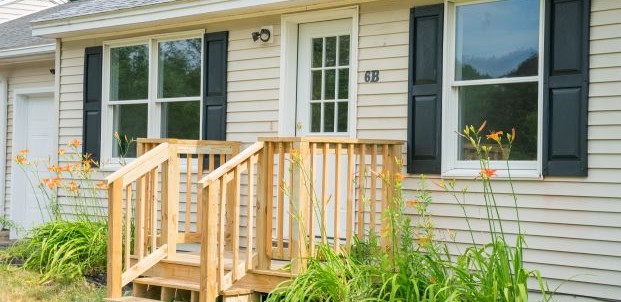
NeighborWorks has prioritized this type of shared equity housing as a priority in the organization’s strategic plan. And shared equity housing, in its many forms, have proven to be an effective way of making homeownership available to more people in the communities the NeighborWorks network serves.
Avesta’s program grew out of a need the nonprofit was already seeing firsthand, through its long-running work in homebuyer education. Avesta’s homebuyer classes were once feel-good success stories as people learned, bought homes and moved forward. But as the housing market changed, participants started returning with frustration after struggling to get their offers accepted, often losing out to all cash buyers. The struggle sparked a new question: How could the organization help create the kinds of homes people were trying to buy?
The idea behind A Path Forward – Homeownership for ME was simple but powerful. The idea was to take Maine’s aging housing stock — nearly a quarter of which was built before 1940 —and give it new life. By acquiring older homes in need of repair at an affordable cost, Avesta can renovate them and resell through the community land trust model, ensuring long-term affordability for income-qualified buyers.
The team’s first project came as an opportunity to support a grieving mother. She could no longer manage the upkeep needed to sell her deceased daughter’s home, but she was unable to afford the repairs needed to sell it. As Avesta began work on the unit, they learned that the next-door neighbor was also ready to sell, so they took that on, too. It was a chance to bring new life to two homes and the perfect starting point for A Path Forward.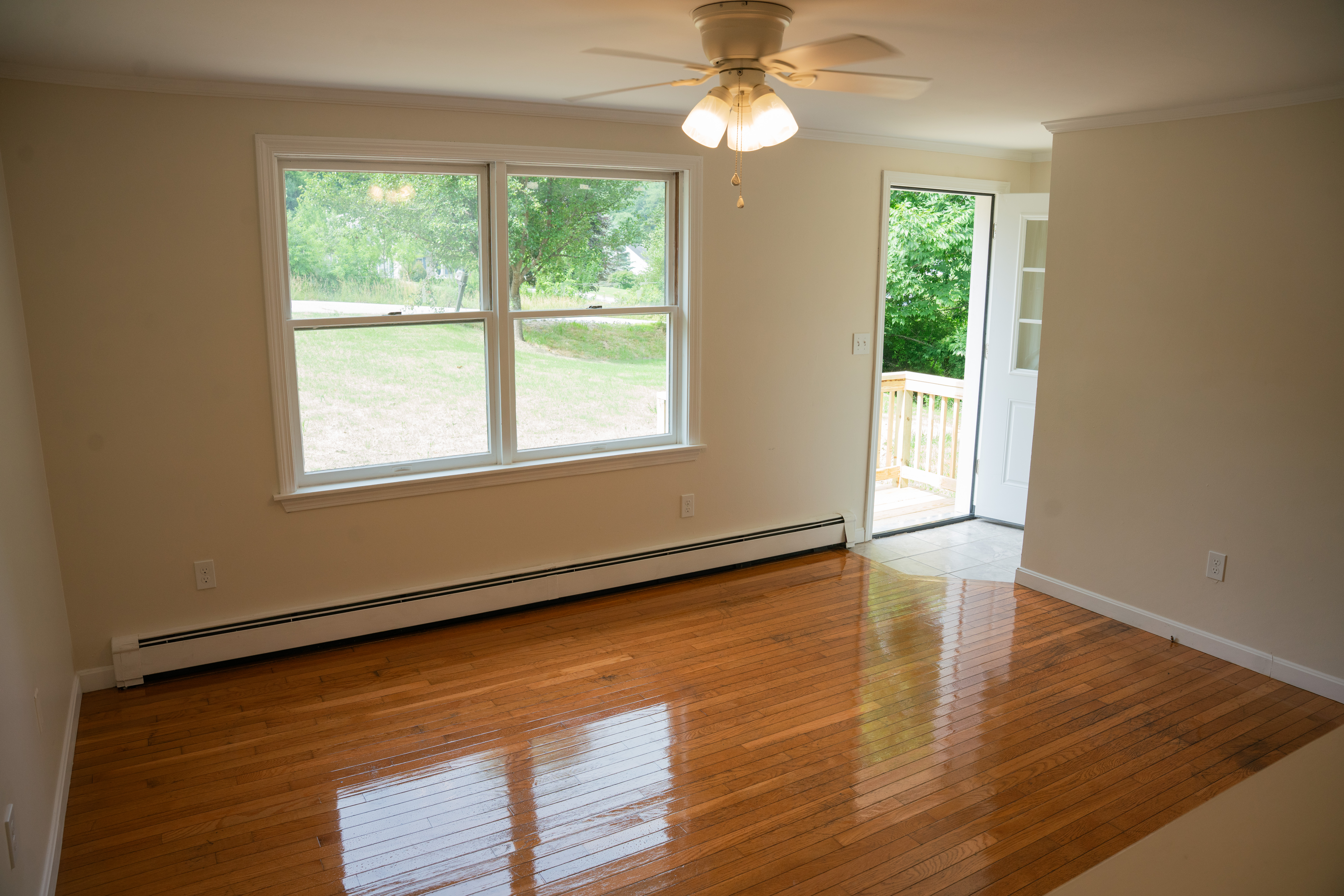
As A Path Forward has gained visibility, the surrounding community has rallied in unexpected and inspiring ways. Local businesses have stepped up — not just with donations, but with hands-on support. “We’ve had local carpenters and contractors reach out and say, ‘Hey, I just retired, but I’d love to help on your next project,’” shared Nicole DiGeronimo, Avesta’s Director of Homeownership and Financial Counseling. “A cleaning company reached out to us, and they were like, ‘When your units are done, we'd love to come in and clean them for you!’ It just showed me that it doesn't just have to be cash that's being invested. There are people out there that really want to get involved and help, especially when the project’s in their community.”
The first two houses are already completed, ready to welcome their new owners home. But this is only just the beginning. Nicole shared that the team has big plans for the program.
“In five years, in a perfect world, we will be all over the state of Maine,” she said. “I want to be statewide and have our model be so finely tuned that it's just like a copy paste.” With so much aging housing stock and a growing affordability crisis, she sees a clear opportunity for the state to invest in expanding solutions like this one.
With strong local partnerships, community buy-in, and a replicable model, A Path Forward is already proving what’s possible. It’s a reminder that even in a challenging housing market, programs like this — rooted in trust, equity and long-term affordability — can make homeownership more accessible for communities across Maine and beyond.