

Gabriel Figueroa had already been doing community engagement in Fitchburg, Massachusetts when Francisco Ramos, Community Building & Engagement director for NewVue, asked if he wanted to help with a program that would assess the needs of residents. Known as Community Impact Measurement, or CIM, the data collection initiative from NeighborWorks’ Success Measures Program helps community development nonprofits identify what they are doing well and what their residents need.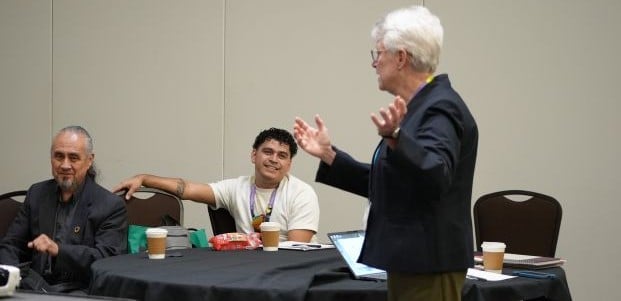
The result is current data, which can be used to not only help an organization strategize and prioritize, but can help with grants by showing, in numbers, residents’ needs and wants, said Brooke Finn, senior vice president of Leadership, Evaluation & Peer Learning for NeighborWorks® America.
At a power session at the NeighborWorks Training Institute in Miami Beach, both veterans of the program and newcomers came to exchange information about the program.
“I know how important data is,” said one participant who works for the city of Winston Salem, North Carolina. “Because that’s how you get funds.”
Karen Miller, CEO of Tallahassee Lenders Consortium, said when her team reaches out with the CIM surveys, her organization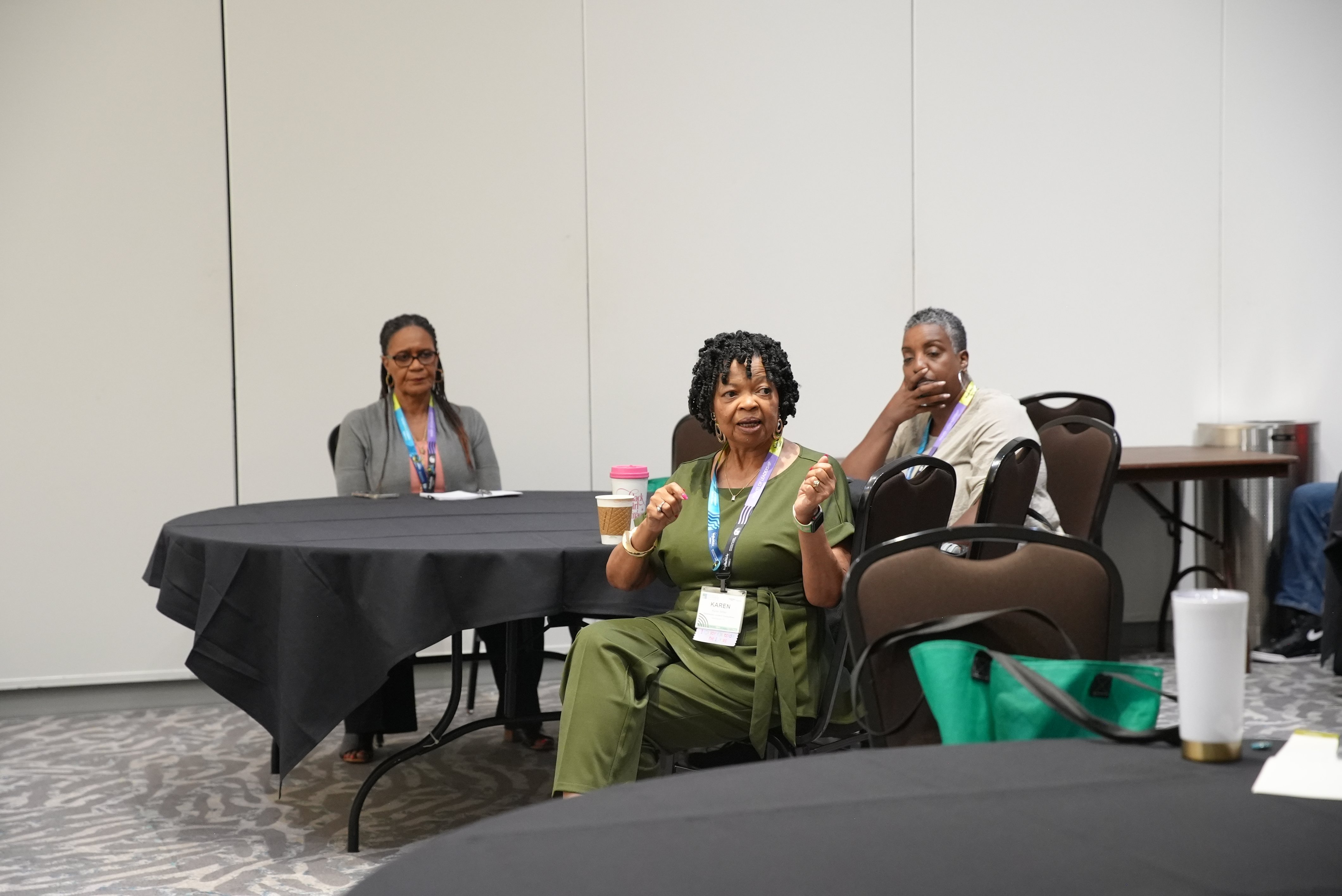 really get to know the community. “TLC was out there with the neighbors, with the people,” she said. As with Figueroa in Fitchburg, she chose someone to lead survey efforts because she was already well known for helping in the community. “That builds trust,” Miller said.
Collecting that data gives people a chance to talk. “They invite [the surveyors] into their homes and say what they like, what they don’t like and the things that are important to them.”
There’s also a domino effect. People meet through the survey and build relationships. Later, some of the same residents who were surveyed may come back for homebuyer education.
“I love CIM,” Miller said. “Data tells the story.”
The data also proves to local and state governments how well the nonprofits know their communities, she said. “Neighborhood engagement is huge,” Miller said. “You help give people a voice. That’s the most important thing.”
Adds Donna Austin, the neighborhood engagement consultant working with CIM, said: “The data says ‘We have something that can prove that we need this. We need sidewalks. We need a crossing guard. We need housing. Data is the key to driving change.”
Also important? Bringing the data back to the people.
Pamela Anslinger, now with the state of Pennsylvania but previously with NeighborWorks Northeastern Pennsylvania, said her organization used the CIM data to bring in more streetlights after residents reported the need. But when the lights came, they never told the community it was because of their data. The next time Northeast Pennsylvania approached people for data, it was as if they were starting over. “If we had brought the data back to them the first time around, we would have that buy-in immediately,” she said.
Other lessons learned:
- “Engage residents by getting people from the community; that’s who the neighbors are going to talk to,” Finn said.
- "Do as much publicity as possible before approaching the community,” Finn added.
- To get people to complete surveys, gift cards make great incentives, said Miller. And back to school programs are a great time to engage with parents.
- One question Miller often adds to her survey: Would residents be willing to join a neighborhood association, or help the community in another way? “It gives them another opportunity to become involved in the neighborhood and not just reside there.”
Learn more about Success Measures and Community Impact and read more stories and highlights from the Miami Beach NeighborWorks Training Institute.