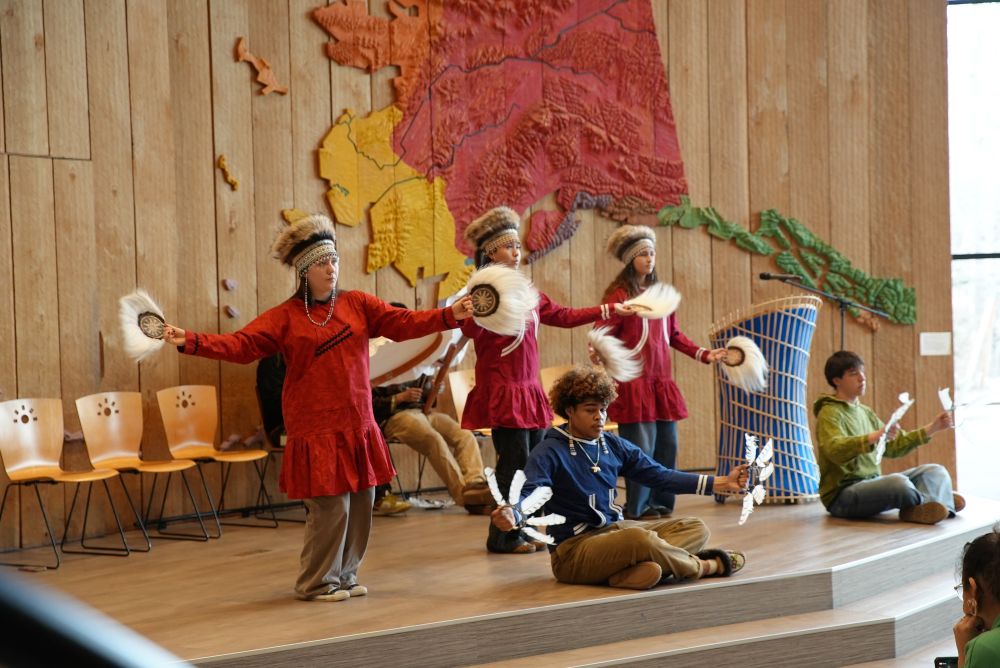


More than 400 tribal leaders, housing practitioners, health organizations, community development professionals and national partners gathered in Anchorage, Alaska, this month for the Housing Our Relatives Summit, a first-of-its-kind convening focused on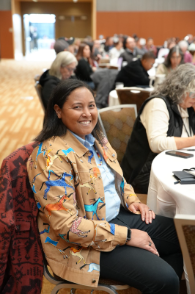 strengthening Native-led housing solutions through collaboration, shared learning and collective action.
Hosted by NeighborWorks® America, the National American Indian Housing Council and Oweesta Corporation at the Dena’ina Convention Center, the summit centered housing not as a standalone issue, but as part of a larger ecosystem connected to health, workforce development, economic opportunity, heritage and long-term community well-being.
The summit intentionally approached housing through an Indigenous lens. Participants were encouraged to "arrive fully," “listen to learn, not respond” and “make space, take space” as they engaged in conversations designed to break down silos and build stronger relationships across Native housing and health ecosystems. Rather than focusing solely on programs or policies, the convening emphasized community-defined solutions grounded in Native values, lived experience and Native-led solutions.
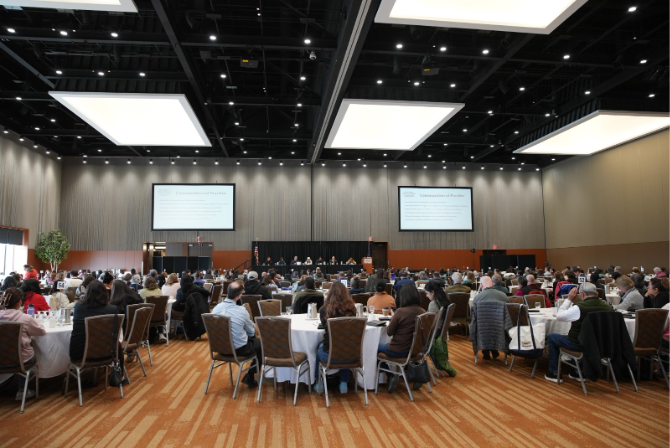
Throughout the two-day gathering, attendees explored how housing intersects with every aspect of community life. Discussions reframed housing as deeply connected to land, transportation, economic resilience, healthcare access and cultural continuity. Summit facilitators guided participants through an ecosystem framework that encouraged reflection on how systems, resources and relationships shape housing outcomes in Native communities.
The summit also created space for participants to move beyond conversation and into strategy-building. Communities of Practice sessions brought together attendees around key topics including workforce housing, wealth circulation, real estate ecosystems and comprehensive community planning. Participants shared examples of success, identified obstacles and discussed bold actions needed to advance Native housing priorities.
Across these conversations, several themes consistently emerged: the importance of tribal leadership and locally driven solutions, the need for stronger partnerships and the urgency of creating systems that better reflect Native community realities. Participants discussed challenges ranging from appraisal gaps and land-use barriers to workforce shortages and outdated housing policies. They also emphasized the importance of redefining concepts like wealth and stability through Native perspectives centered on family, community and long-term resilience.
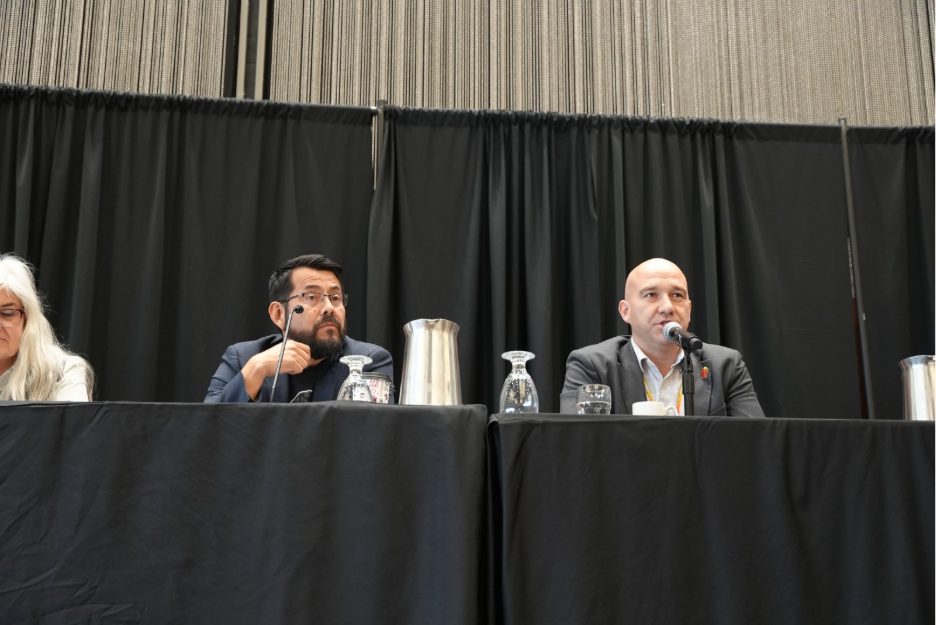
“We would not be in this room if our people were not resilient,” one participant shared during a Community of Practice report out session. “Instead of finding ways to criticize or pull down, it’s finding ways to lift our community.”
One recurring concept throughout the summit was seven-generation thinking, the idea that decisions made today should support the well-being of future generations. Participants described housing as more than shelter; it is an infrastructure for economic opportunity, community health, legacy and collective prosperity.
Attendees also highlighted the importance of Native-led approaches to housing finance and development. Conversations focused on improving mortgage and lending systems, modernizing housing policies, strengthening tribal control over appraisal and valuation processes and expanding education around homeownership and financial literacy. Participants repeatedly emphasized that Native communities must have greater authority to shape the systems impacting their housing futures. 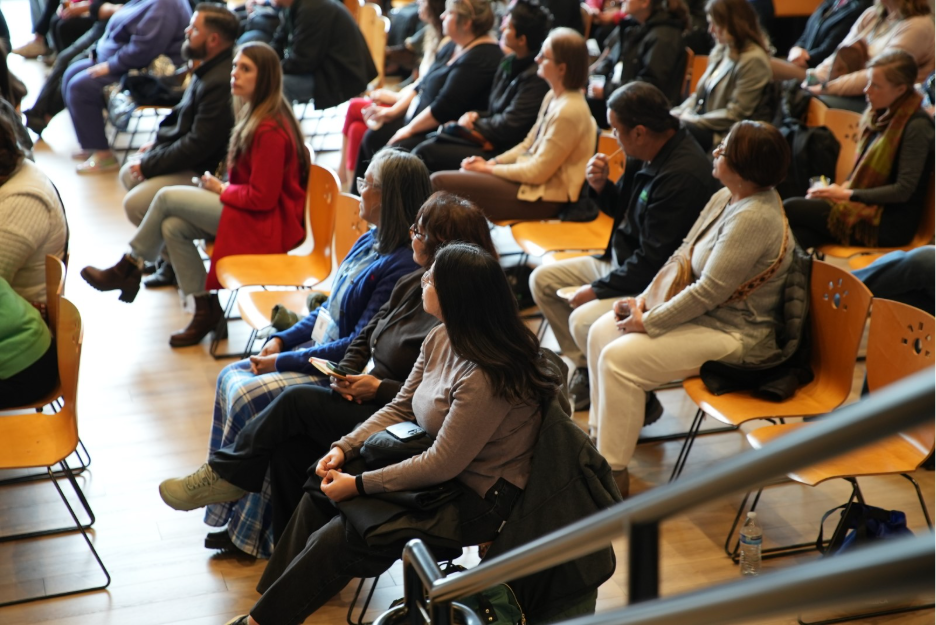
In addition to strategy sessions, the summit featured immersive learning labs and community tours that grounded conversations in real-world examples. Participants explored community revitalization efforts in Anchorage neighborhoods, visited culturally responsive patient lodging facilities and engaged directly with organizations working to strengthen housing stability across Alaska.
The summit concluded with participants sharing recommendations and identifying urgent next steps to continue advancing collective work beyond Anchorage. Recommendations included strengthening tribal housing authority, modernizing federal housing programs, improving funding flexibility, expanding training opportunities and creating ongoing convenings to sustain collaboration and peer learning.
As participants left Anchorage, the summit’s focus remained clear: housing solutions are strongest when they are built by communities, grounded in legacy and shaped through collective responsibility for future generations.