

Gail Latimore has spent 30 years at the helm of Codman Square NDC. In September, which was also National Preparedness Month, NeighborWorks® America talked with her about how things like sustainability and weatherization can help people improve safety, health – and protect their pocketbooks.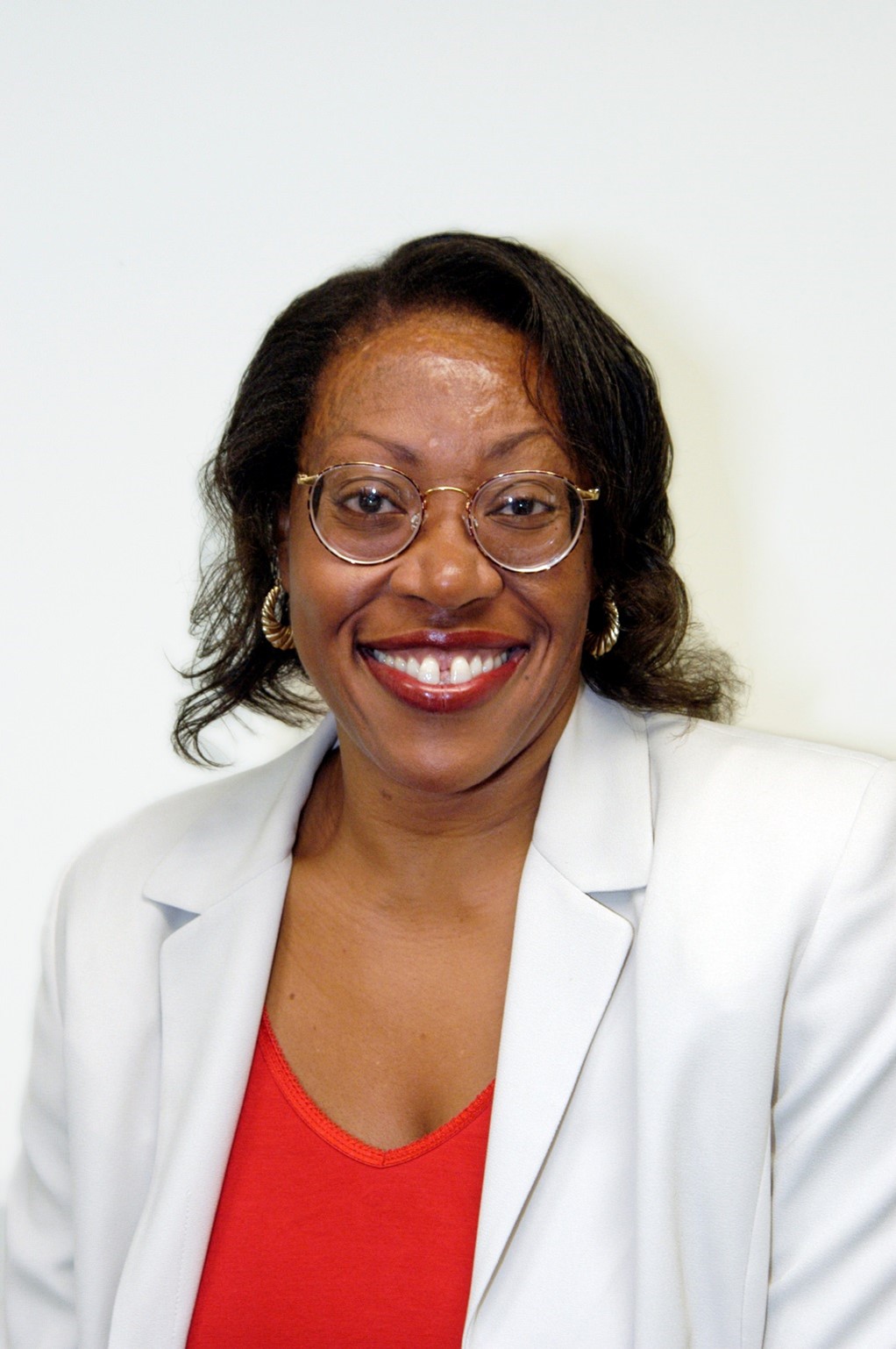
NeighborWorks America: Boston does not typically see what we think of as “traditional” disasters, like hurricanes and tornadoes. What made sustainability such an important part of the work you do?
Gail Latimore: On the heir’s property panel a couple weeks ago in New Orleans at the NeighborWorks Training Institute, I talked about individual disasters as opposed to community-wide, natural disasters. The example I used was when people's roofs fail or their energy bills go through the roof because people have leaky windows or don't have their home well insulated. We did a survey around 2002 or so, and what we came back with was that 70% of all the properties in our service area, by “windshield” observation, needed some reasonable or significant renovation.
People either didn't have storm windows or their roofs and porches were going. We could see it. So the focus has always been in trying to improve the properties. Part of improving properties includes the sustainability-related issues, because it has both the health implications and the financial implications.
NeighborWorks America: Why was it important to bring your perspective to the continuing discussion on heirs’ property?
Gail Latimore: We know that the ability for people to stay in place is important, especially as most major cities as well as other places, are gentrifying rapidly. Based on an analysis that we did of our service area back in 2014, we only have a 30% homeownership base, meaning 70% of our properties in our service area are investor owned. We wanted to try to stabilize those owner occupants. Prices have been going through the roof, both on the rental side and on the ownership side. In our community, especially the last 10 years, they've literally doubled. So we wanted to stabilize the fragile small homeownership base. And we thought that one way of doing that would be to have people understand a couple of things, including letting them know it’s important to have an estate plan done, furthering intergenerational wealth transfer so that the next generation also had a place to stay and wouldn't be pushed out as the neighborhood continued to escalate in terms of housing prices.
It was important to us to share our experience at the NTI about our estate planning efforts, and also to learn what others were doing.
NeighborWorks America: How did sustainability become a part of your mission, and how did you really embed it into your community?
Gail Latimore: It's been a part of our mission for a long time. I remember in 1998 or so, we were doing a development called Erie Ellington Homes, 50 units of new construction. We hired an architect and engineering team that brought in some very innovative ways of thinking.
That was in the early days when the cities and others were starting to look at sustainability for health and energy efficiency. The city was just starting to require affordable housing developers they fund to think more about LEED standards for housing, and this team brought high efficiency boilers into our property. At the same time, they had much tighter building envelopes. A consultant came and did a survey of residents who lived in the building, many who had had respiratory illnesses. A year later, she came back and found that a number of residents who had reported asthma and respiratory issues were saying they’d been reduced. In some cases, they went off of their medications after they moved into the building. So sustainability and health and design -- it is important for us to pay attention to.
NeighborWorks America: Could you talk a little about Talbot Norfolk Triangle?
Gail Latimore: The Local Initiatives Support Corp. (LISC) came in and they brought in the National Resource Defense Council to look at sustainability in a small neighborhood called the Talbot Norfolk Triangle. They had an active neighborhood association that has been concerned with environmental and food issues. We supported them in getting access to vacant lots for community gardens and our goal was to see if we could have this small neighborhood be a resilient neighborhood. If the lights went off, would that neighborhood stay on? How do we increase sustainability? We went door to door with partners, asking people if they wanted energy retrofits in their home, taking advantage of the Mass Save program.
Mass Save had a fund with $5 billion in it, but lots of folks weren’t taking advantage of it. So we went door to door, knocking, to get people to take advantage of these energy conservation measures, whether they were renters or homeowners.
NeighborWorks America: How did you make the case for sustainability relevant to the community?
Gail Latimore: There are still challenges to get people to take these technologies and these energy efficiencies and repairs and technology in their homes. We try to have people understand the health and financial implications of doing the work. From the health perspective, even without the money to retrofit, there are things you can do to improve your indoor air quality as well as the costs of your utilities.
We’d helped a resident of the Talbot Norfolk neighborhood put solar on his home and he saw a huge reduction in his electric bill as a result, which made it more sustainable for him to stay in place.
Having people see someone who was just a regular person talk about “I just saved 30% on my electric bill” – that word of mouth makes a big difference.
Meredith Geraghty, Vice President of Base-Building Strategy: Our energy ambassador program has kind of grown out of that. The Mass Saves program has done a lot of studies and identified the barriers and it's no surprise that one of the things they've identified in communities is that there's a big lack of trust.
There have been a lot of scams so there's a lot of weariness when anybody is talking about energy and solar. There are language barriers. And there are cultural barriers. So our energy ambassador program is designed to have local residents do this work. We had a cohort of 10 people receive mini grants to do home repairs related to energy and weatherization work. If they complete two years of serving as an energy ambassador, they’re forgivable loans.
NeighborWorks America: You’d mentioned ways to help with health and utilities outside of retrofits. Do you have some examples of that?
Gail Latimore: Getting educated about how to avoid indoor pollutants – avoiding burning candles and incense indoors, all of which pollute the air and release toxins into the air; opening the windows when they use their gas stoves to avoid noxious fumes; leaving dry cleaning outside their home for a day or two so that the fumes from dry cleaning off-gas outside, not in their homes; installing low-cost air quality monitors in their homes so they can track the impact of actions on air quality; joining groups like CSNDC to advocate for policies, programs and resources that protect the environment and their well being.
NeighborWorks America: How do you make sure sustainability work will be institutionalized in the organization, especially as Gail nears retirement?
Gail Latimore: It’s hard, when people are just trying to get food on the table. As we do this type of work, it’s going to have to be tied back to the pocketbooks. It’s going to be hard to keep these programs going unless we get private money. But we can have folks continue with education, especially about scams.
NeighborWorks America: What roles do partnerships play?
Meredith Geraghty: There are some funding opportunities. Hospitals are talking about it now – social determinants of health are related to things like environmental health.
Gail Latimore: I think it's going to be critical for us to look at multi-year strategic partnerships with like-minded people in more formal ways and deeper ways. We just have to do it.